The almond Tree Sapling
8 OMR
9 OMR
Save 11%
Product added to cart
—
show cart
Fast, Free Shipping
Quality Guaranteed
Secure Payment
product description
The almond tree (also known as the tropical or Indian almond) is an investment in beauty, comfort, and health benefits.
It not only provides cool shade in the summer heat but also offers melt-in-the-mouth fruit with a taste that combines sweetness and freshness. The almond tree is a symbol of prosperity and tranquility in your home; its large, glossy leaves offer a sense of privacy and transform your garden into a peaceful haven that brings you comfort with every breeze.
Planting Season
Best Planting Time: It is preferable to plant almond seedlings at the beginning of winter, specifically in December.
Growth: It is characterized by very rapid growth; some varieties can begin producing fruit within just one year of planting if ideal conditions are provided.
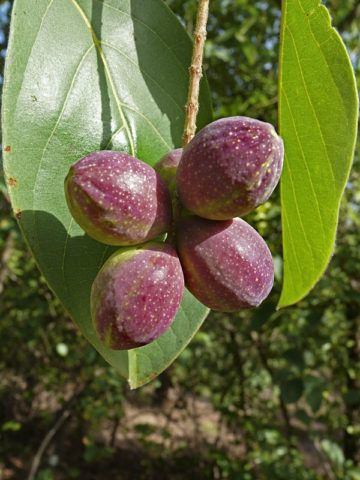
Ripedown: The fruit usually ripens in the summer (between July and August), and develops attractive colors such as yellow, red, or purple.
Benefits and Uses: The almond tree offers a comprehensive range of benefits that make it an indispensable choice:
Nutritional: The fresh fruit with its sugary pulp is edible, and the inner shell can be cracked open to eat the seed (kernel), which tastes similar to almonds.
Health and Medicinal: The leaves and bark are used in traditional medicine to treat diarrhea, joint pain, nausea, and relieve headaches.
Environmental and Aesthetic: It provides very dense shade, with a canopy that can reach up to 20 meters in width, and is used as a windbreak and to beautify public and private gardens.
Industrial: Tannin is extracted from its leaves and roots. In leather tanning, ink manufacturing, and fabric dyeing.
Available height: 80 cm. Germination method, stem size and branching, and seedling age may vary depending on the shipment.
Fast, Free Shipping
Free delivery on orders 15 OMR or more. Orders under 15 OMR have a flat 3 OMR shipping fee.
Quality Guaranteed
Your products will arrive in excellent condition—guaranteed.
Secure Payment
All payment transactions are encrypted and secure.